

Sustainable Practices in the Use of Rotable Tableware: Transforming Disposable Culture
Release Time:
Jun 23,2026
Sustainable Practices in the Use of Rotable Tableware: Transforming Disposable Culture
Table of Contents
- 1. Introduction: The Shift Towards Sustainability
- 2. What is Rotable Tableware?
- 3. The Environmental Impact of Disposable Tableware
- 4. Benefits of Using Rotable Tableware
- 5. Sustainable Practices for Rotable Tableware
- 6. Case Studies: Successful Implementations
- 7. Future Trends in Rotable Tableware
- 8. FAQs
- 9. Conclusion
1. Introduction: The Shift Towards Sustainability
In recent years, the urgent call for sustainability has echoed through various sectors of society, particularly in the way we consume products. As awareness grows about the environmental challenges posed by single-use items, the adoption of **sustainable practices** has emerged as a crucial focus. Among these practices, the **use of rotable tableware** stands out as a transformative approach that not only reduces waste but also redefines dining experiences.
2. What is Rotable Tableware?
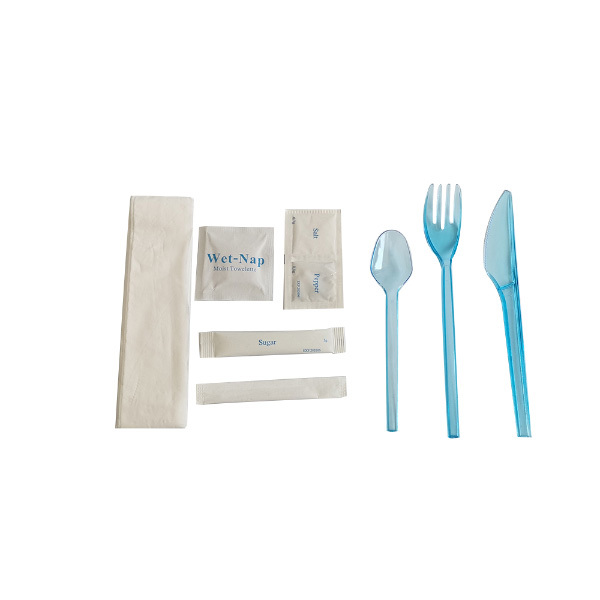
Rotable tableware refers to reusable dining products designed for multiple uses, making them an eco-friendly alternative to disposable options. This category includes items such as plates, cups, cutlery, and containers made from durable materials like stainless steel, glass, or biodegradable composites. Their design fosters longevity and promotes a circular economy, where products are continuously reused, reducing the need for new resources.
3. The Environmental Impact of Disposable Tableware
The environmental footprint of disposable tableware is alarmingly high. Each year, millions of tons of plastic waste end up in landfills and oceans, contributing to significant ecological damage. Traditional single-use items, often made from non-biodegradable materials, contribute to pollution, harm wildlife, and exacerbate climate change. Transitioning to rotable tableware can drastically reduce this burden, promoting a more sustainable and responsible consumption model.
4. Benefits of Using Rotable Tableware
The benefits of utilizing rotable tableware extend beyond environmental impact. Below, we explore the **economic**, **health**, and **social advantages** associated with this shift.
4.1 Economic Advantages
Investing in rotable tableware can lead to significant cost savings over time. While the initial investment may appear higher than purchasing disposable options, the longevity of reusable items reduces the frequency of replacements. Furthermore, businesses can save on waste disposal costs and potentially increase customer loyalty by showcasing their commitment to sustainability.
4.2 Health Benefits
Rotable tableware is often made from safer materials that do not leach harmful chemicals, in contrast to some disposable tableware which can contain toxins. Using high-quality, food-grade materials enhances food safety, providing consumers with peace of mind regarding their health.
4.3 Social Responsibility
Embracing sustainable practices fosters a sense of community and social responsibility. Businesses that adopt rotable tableware often find they strengthen their brand image by appealing to environmentally conscious consumers. This alignment with social values enhances customer engagement and loyalty, vital in today's competitive market.
5. Sustainable Practices for Rotable Tableware
Incorporating rotable tableware into everyday use requires strategic planning and commitment to sustainable practices. Here are several key areas to focus on:
5.1 Material Selection
Choosing the right materials for rotable tableware is pivotal. Opt for products made from sustainable resources like bamboo, recycled metals, or biodegradable plastics. The manufacturing process should also prioritize low-impact methods that minimize energy consumption and emissions.
5.2 Cleaning and Maintenance
To ensure the longevity of rotable tableware, proper cleaning and maintenance practices are essential. Use eco-friendly detergents and avoid harsh chemicals that can degrade materials. Educating users on the correct cleaning methods can facilitate optimal use and longevity.
5.3 Community Engagement
Encouraging community involvement can amplify the benefits of rotable tableware. Organize events that promote awareness about sustainability, such as community clean-ups or workshops that teach proper maintenance of reusable items. Partnering with local organizations can further enhance outreach efforts.
6. Case Studies: Successful Implementations
Several organizations have successfully integrated sustainable practices through the use of rotable tableware.
- **Case Study 1: Green Restaurant Group**
This chain of eco-friendly restaurants replaced all disposable dining ware with rotable options. Their commitment to sustainability has not only reduced waste by over 70% but has also attracted a diverse clientele eager to support environmentally conscious businesses.
- **Case Study 2: University Campus Initiatives**
Universities across the nation have adopted rotable tableware in dining halls, significantly cutting down on single-use plastics. By providing incentives for students to use these options, institutions have fostered a culture of sustainability among young adults.
7. Future Trends in Rotable Tableware
As the sustainability movement evolves, we can expect several trends to shape the future of rotable tableware:
- **Innovative Materials**: Advances in material science will lead to the development of more sustainable and durable materials that can replace traditional plastics.
- **Smart Tableware**: The integration of technology, such as QR codes for recycling information or app connectivity, will enhance the user experience and encourage responsible practices.
- **Corporate Responsibility**: More companies will adopt sustainable practices as consumers increasingly demand transparency and accountability in their purchasing decisions.
8. FAQs
What is the main advantage of rotable tableware?
The primary advantage of rotable tableware is its ability to significantly reduce waste associated with disposable items, promoting a sustainable dining experience.
How can businesses encourage the use of rotable tableware?
Businesses can promote the use of rotable tableware by offering incentives, educating consumers about sustainability, and creating a welcoming atmosphere for reusable items.
Are there health risks associated with disposable tableware?
Some disposable tableware can leach harmful chemicals into food, particularly when heated. Rotable tableware is typically made from safer materials.
What are the best materials for rotable tableware?
The best materials include stainless steel, glass, biodegradable plastics, and bamboo, as they are durable and environmentally friendly.
How can individuals participate in sustainable dining practices?
Individuals can participate by choosing rotable tableware for events, advocating for eco-friendly practices in their communities, and educating others about the importance of sustainability.
9. Conclusion
The transition towards sustainable practices in the use of rotable tableware is not merely a trend but a necessary evolution in our dining culture. By prioritizing reusable options, we can significantly reduce waste, promote health, and foster community responsibility. As we look to the future, embracing these changes will allow us to enjoy our meals while protecting the planet for generations to come. Implementing rotable tableware is a tangible step towards sustainable living, and it is our collective responsibility to champion this cause. Let us work together towards a more sustainable future, one meal at a time.
Contact Infromation
Email: info@kairunair.com
Email: kairun11@kairun.com
Email: kairun9@kairun.com
Email: kairun15@kairunair.com
Tel: 0086-592-5885238
Tel: 0086-592-5887748
Tel: 0086-592-5885635
Wechat/Whats app: 0086 18965858595
Wechat/Whats app: 0086 18030153826
Wechat/Whats app: 0086 18965858597
Head Office: Unit 1009, No. 95 East Hubin Road, Siming District, Xiamen, China
Social Networks

Sign up for our monthly newsletter for the latest news & articles

Copyright © Xiamen Kairunair Commodity Co., Ltd. All Rights Reserved.