

The Environmental Impact of Disposable Atlas Tray Mats: An In-Depth Analysis
Release Time:
Jun 13,2026
The Environmental Impact of Disposable Atlas Tray Mats
Introduction: Understanding Disposable Atlas Tray Mats
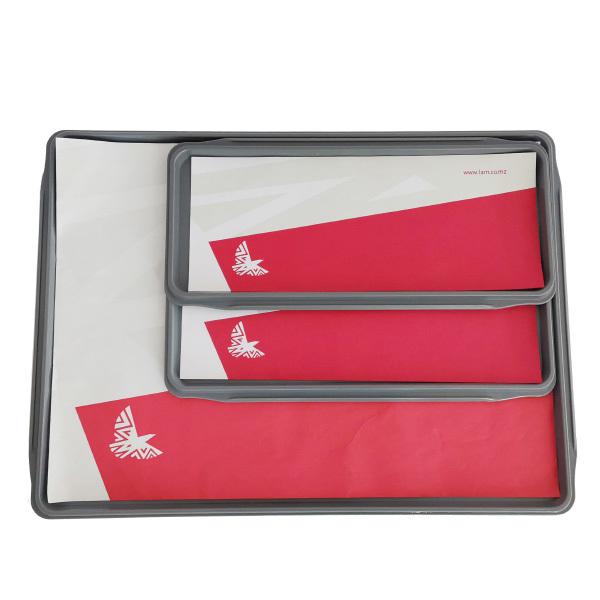
In the realm of disposable products, **Atlas tray mats** are a notable segment, frequently used in various sectors, including catering, healthcare, and food service. These mats serve to protect surfaces and maintain hygiene, yet they bring with them a range of **environmental concerns**. In this article, we will analyze the impact these mats have on our planet, from their production to their disposal, and explore potential alternatives that can help reduce ecological damage.
What Are Atlas Tray Mats Made Of?
Materials Used in Production
Disposable Atlas tray mats are commonly composed of materials such as **plastic, paper, or a combination of both**. The choice of materials directly influences the environmental footprint of these products.
- **Plastic Mats**: Predominantly made from polyethylene or polypropylene, plastic mats are durable and water-resistant. However, their production involves the extraction of fossil fuels, contributing to greenhouse gas emissions and environmental degradation.
- **Paper Mats**: Often viewed as an eco-friendlier option, paper mats can be biodegradable and recyclable. However, they still pose environmental challenges, particularly if sourced from non-sustainable timber or if treated with chemicals harmful to ecosystems.
Environmental Consequences of Material Production
The production of both plastic and paper mats involves significant **environmental resources**. The extraction of raw materials, energy consumption, and emissions associated with manufacturing processes raise alarms regarding sustainability.
- **Plastic Production**: The petroleum extraction process not only harms habitats but also generates substantial carbon emissions. Additionally, plastic production releases toxins that can pollute air and water.
- **Paper Production**: While paper mats are often marketed as biodegradable, the deforestation associated with paper production leads to loss of biodiversity and increased carbon footprints. Furthermore, pulp processing can release harmful chemicals into the environment.
The Lifecycle of Disposable Atlas Tray Mats
Usage and Waste Generation
Disposable Atlas tray mats fulfill a crucial role in maintaining cleanliness and hygiene in various establishments. However, their very nature as **single-use items** contributes significantly to waste generation.
Upon disposal, these mats enter the waste management system, where they are frequently sent to landfills or incinerators.
- **Landfill Issues**: Plastic mats can take centuries to decompose, leading to the accumulation of waste. Microplastics also pose a threat to terrestrial and marine ecosystems upon breakdown.
- **Incineration Challenges**: While incineration reduces waste volume, it releases toxic emissions that can affect air quality and contribute to climate change.
Recycling Potential and Challenges
Recycling offers a potential solution to some of the issues associated with disposable mats. However, challenges persist:
- **Plastic Recycling**: Many plastic mats are not recyclable due to contamination or composite materials, trapping them in the waste stream.
- **Paper Recycling**: Paper mats can be recycled, but only if they are uncontaminated and sourced from sustainable forests. Also, the recycling rates for paper products vary significantly depending on local infrastructure.
Sustainable Alternatives to Disposable Atlas Tray Mats
Reusable Mats: A Greener Choice
One of the most effective ways to mitigate the environmental impact of disposable mats is by transitioning to **reusable options**. Reusable tray mats made from durable materials can dramatically reduce waste generation.
- **Material Options**: Cotton, silicone, or washable synthetic fabrics present viable alternatives, allowing for easy cleaning and extended use.
- **Long-Term Cost Effectiveness**: While the upfront cost may be higher, the longevity of reusable mats leads to savings over time and a reduced need for disposable products.
Biodegradable and Compostable Mats
Another emerging trend is the development of **biodegradable or compostable mats** made from natural fibers. These products break down more quickly than traditional plastic or paper mats, minimizing their environmental impact.
- **Materials**: Look for mats made from materials like bamboo, hemp, or other plant-based fibers that can decompose naturally without leaving harmful residues.
- **Certification**: Ensure any biodegradable products come with certifications, confirming they meet environmental standards for composting.
Regulatory Measures and Industry Standards
Government Regulations on Single-Use Plastics
Many governments worldwide are implementing stricter regulations on single-use plastics, including disposable mats. These regulations aim to curb plastic pollution and promote sustainable practices.
- **Bans and Restrictions**: Several countries have imposed bans on certain types of single-use plastics, leading industries to seek alternatives and innovate in product design.
- **Incentives for Sustainability**: Governments are also providing incentives for businesses that adopt sustainable practices, encouraging the shift towards eco-friendlier products.
Industry Initiatives for Sustainable Practices
The industry is responding to the growing awareness of environmental issues by adopting more sustainable practices:
- **Corporate Responsibility**: Many companies are incorporating sustainability into their business models, prioritizing eco-friendly materials and production methods.
- **Transparency in Supply Chains**: Increased transparency allows consumers to make informed choices about the products they purchase, emphasizing sustainability in their decisions.
Consumer Choices and Responsibilities
Making Informed Decisions
As consumers, our choices play a pivotal role in shaping market demand. By opting for sustainable products, we can influence manufacturers to prioritize environmentally friendly practices.
- **Research Products**: Investigate the materials and production processes of disposable products before purchasing. Look for certifications or third-party endorsements that validate sustainability claims.
- **Advocate for Change**: Supporting businesses that prioritize sustainability encourages a shift within the industry. Spread awareness about the environmental impact of disposable items to inspire others to make informed choices.
Reducing Overall Consumption
Beyond selecting sustainable products, reducing overall consumption is a crucial aspect of minimizing environmental impact.
- **Embrace Minimalism**: Adopting a minimalist approach to consumption can significantly reduce waste. Focus on quality over quantity and prioritize reusable over disposable items in your daily life.
- **Reduce, Reuse, Recycle**: Incorporate the three Rs into your lifestyle. This mantra not only helps in waste reduction but also raises awareness about the importance of sustainability.
FAQs About Disposable Atlas Tray Mats and Their Environmental Impact
1. What are disposable Atlas tray mats primarily used for?
Disposable Atlas tray mats are commonly used in food service and healthcare settings to maintain hygiene and protect surfaces.
2. Are disposable Atlas tray mats recyclable?
Many disposable mats are not recyclable, especially those made from mixed materials or contaminated with food. Always check local recycling guidelines.
3. What are some eco-friendly alternatives to disposable mats?
Reusable mats made from fabrics like cotton or silicone, as well as biodegradable mats made from natural fibers, serve as eco-friendly replacements.
4. How long does it take for plastic mats to decompose in landfills?
Plastic mats can take hundreds of years to decompose in landfills, contributing to long-term pollution.
5. What regulations exist regarding disposable plastic products?
Many countries have enacted bans or restrictions on single-use plastics to combat pollution and encourage sustainable practices.
Conclusion: Moving Towards a Sustainable Future
The environmental impact of disposable Atlas tray mats is significant and requires urgent attention. By understanding the materials, usage, and lifecycle of these products, we can make informed choices that prioritize sustainability. Transitioning to reusable or biodegradable alternatives, advocating for regulatory measures, and adopting responsible consumer behaviors are vital steps in mitigating the negative effects of disposable mats on our planet. Together, we can pave the way for a cleaner, greener future, ensuring that our choices reflect a commitment to protecting the environment.
Contact Infromation
Email: info@kairunair.com
Email: kairun11@kairun.com
Email: kairun9@kairun.com
Email: kairun15@kairunair.com
Tel: 0086-592-5885238
Tel: 0086-592-5887748
Tel: 0086-592-5885635
Wechat/Whats app: 0086 18965858595
Wechat/Whats app: 0086 18030153826
Wechat/Whats app: 0086 18965858597
Head Office: Unit 1009, No. 95 East Hubin Road, Siming District, Xiamen, China
Social Networks

Sign up for our monthly newsletter for the latest news & articles

Copyright © Xiamen Kairunair Commodity Co., Ltd. All Rights Reserved.