

The Cost-Efficiency of Airline Rotable Tableware Sets: Maximizing Savings and Sustainability
Release Time:
Feb 23,2026
The Cost-Efficiency of Airline Rotable Tableware Sets
In the aviation industry, efficiency is key. Airlines are constantly looking for ways to reduce operational costs while enhancing the passenger experience. One area where significant savings can be achieved is in the provision of in-flight dining services. This article delves into the cost-efficiency of airline rotable tableware sets, examining their benefits, practicality, and long-term value. With a focus on sustainability and user satisfaction, we will explore how these sets are redefining in-flight dining.
Understanding Rotable Tableware Sets
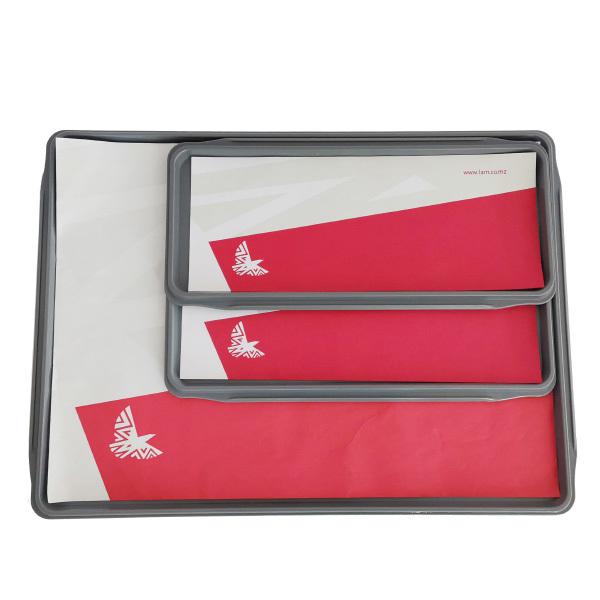
Rotable tableware sets refer to reusable dishware specifically designed for use in airline catering. These sets typically include plates, bowls, cutlery, and cups that are made from durable materials, allowing for multiple uses over time. The shift from disposable to rotable tableware is not just a trend; it represents a strategic move towards enhancing operational efficiency and reducing environmental impact.
The Benefits of Airline Rotable Tableware Sets
Adopting rotable tableware sets brings numerous advantages for airlines, passengers, and the environment:
1. Cost Savings
While the initial investment in rotable tableware sets may be higher than disposable options, the long-term savings can be substantial. Airlines can significantly reduce costs associated with purchasing single-use items, as rotable tableware can last for years with proper care. This leads to a decrease in procurement expenses and waste management costs.
2. Enhanced Passenger Experience
Passengers often appreciate the quality and aesthetics of reusable tableware. With rotable tableware, airlines can create a more sophisticated and appealing dining experience. Passengers tend to feel that they are receiving a higher level of service when dining with real plates and utensils, which can enhance overall satisfaction and loyalty.
3. Environmental Sustainability
One of the most significant advantages of rotable tableware sets is their positive impact on the environment. By reducing the reliance on single-use plastics, airlines can contribute to decreasing waste in landfills and oceans. This aligns with global sustainability efforts, making airlines more attractive to environmentally conscious travelers.
Factors Influencing Cost Efficiency
Several factors contribute to the overall cost-efficiency of airline rotable tableware sets:
Material Selection
The choice of materials used in rotable tableware is crucial. Airlines must select durable, lightweight, and easy-to-clean materials that can withstand the rigors of in-flight service. Popular materials include high-grade plastics, stainless steel, and melamine, each offering unique benefits in terms of cost, weight, and durability.
Design and Functionality
Effective design is essential for ensuring that rotable tableware sets meet the practical needs of airline service. Tableware must be stackable, easy to store, and capable of being cleaned quickly and efficiently. Airlines should also consider the weight of the tableware, as excess weight can increase fuel costs.
Lifecycle and Maintenance
The lifespan of rotable tableware sets depends on their maintenance and care. Regular inspections, proper cleaning protocols, and timely replacement of damaged items are essential for maintaining cost efficiency. Airlines that invest in training staff on proper handling and cleaning can extend the life of their tableware, maximizing their return on investment.
Case Studies: Airlines Embracing Rotable Tableware
Several airlines have already made the switch to rotable tableware sets, showcasing the potential for cost savings and enhanced service:
1. Airline A: Significant Savings Through Reusability
After transitioning to rotable tableware, Airline A reported a 30% reduction in in-flight catering costs within the first year. The airline invested in high-quality materials and established a rigorous cleaning process, ensuring that their tableware remained in excellent condition. Passengers reported a more enjoyable dining experience, further enhancing the airline's reputation.
2. Airline B: Leading the Way in Sustainability
Airline B took a bold step by completely eliminating single-use plastics from their in-flight service. By implementing rotable tableware sets made from biodegradable materials, they not only reduced their environmental footprint but also attracted a new segment of eco-conscious travelers. Their marketing campaign highlighted this commitment, resulting in increased customer loyalty and brand recognition.
Implementing Rotable Tableware in Your Airline
For airlines looking to implement rotable tableware sets, a strategic approach is critical:
1. Conducting a Cost-Benefit Analysis
Before making the switch, airlines should perform a thorough cost-benefit analysis to assess potential savings and benefits. This includes evaluating initial investment costs, expected lifespan, and ongoing maintenance expenses. Analyzing customer feedback on dining experiences can also provide valuable insights.
2. Selecting the Right Suppliers
Choosing reliable suppliers is essential for acquiring high-quality rotable tableware. Airlines should prioritize suppliers that offer durable materials, competitive pricing, and excellent customer service. Establishing partnerships with manufacturers can also provide opportunities for custom designs tailored to an airline's branding.
3. Training Staff for Success
Training staff on proper handling and cleaning of rotable tableware is crucial. Airlines should implement training programs that emphasize the importance of care and maintenance to maximize the lifespan of the tableware. Staff should also be educated on the benefits of reusable tableware to better communicate these advantages to passengers.
Overcoming Challenges with Rotable Tableware
While the benefits of rotable tableware are clear, there are challenges that airlines may face:
1. Initial Investment Costs
The upfront costs associated with purchasing rotable tableware can be a barrier for some airlines. However, by viewing these costs as an investment in long-term savings, airlines can better justify the transition. A detailed analysis of operational costs can reveal the potential for significant savings over time.
2. Logistics and Storage
Implementing rotable tableware requires careful planning to address logistics and storage concerns. Airlines must ensure they have adequate space for storing dirty dishes and that their cleaning processes are efficient. Collaborating with catering partners to streamline these processes can alleviate some of these logistical challenges.
3. Managing Passenger Expectations
As airlines transition to rotable tableware, it’s important to manage passenger expectations. Clear communication about the benefits of using reusable items can help passengers understand and appreciate the change. Highlighting the airline's commitment to sustainability and enhanced service can boost passenger satisfaction and loyalty.
Future Trends in Airline Tableware
As the aviation industry evolves, so too do the trends in airline tableware:
1. Biodegradable and Eco-Friendly Options
With environmental sustainability becoming a priority, airlines are exploring biodegradable materials and eco-friendly designs for their rotable tableware. Innovations in materials science may soon lead to tableware that is not only reusable but also compostable, further reducing waste.
2. Customization and Branding
Customization of rotable tableware sets allows airlines to reinforce their brand identity. Airlines can work with manufacturers to create tableware that reflects their unique branding, providing a more cohesive dining experience that resonates with passengers.
3. Smart Technology Integration
As technology advances, integrating smart features into airline tableware could enhance the passenger experience. For instance, using sensors to track inventory levels or temperature control for hot dishes could revolutionize in-flight dining, making it more convenient and enjoyable.
Conclusion
The move towards airline rotable tableware sets represents a significant shift in the aviation industry, aligning cost-efficiency with sustainability and enhanced passenger experiences. By investing in durable, reusable tableware, airlines can achieve substantial savings while contributing to a greener planet. As more airlines embrace this trend, the benefits will continue to unfold, setting a new standard for in-flight dining.
FAQs
1. What are rotable tableware sets?
Rotable tableware sets are reusable dishware specifically designed for airline catering, including plates, bowls, cutlery, and cups.
2. How do rotable tableware sets help reduce costs?
While the initial investment is higher, rotable tableware lasts longer than disposable options, leading to significant long-term savings on procurement and waste management.
3. What materials are commonly used for airline tableware?
Popular materials include high-grade plastics, stainless steel, and melamine, chosen for their durability, weight, and ease of cleaning.
4. How can airlines ensure the longevity of their tableware?
Regular maintenance, proper cleaning protocols, and timely replacement of damaged items are essential for extending the life of rotable tableware.
5. Are there any environmental benefits to using rotable tableware?
Yes, switching to rotable tableware reduces reliance on single-use plastics, contributing to decreased waste and promoting sustainability within the aviation industry.
Contact Infromation
Email: info@kairunair.com
Email: kairun11@kairun.com
Email: kairun9@kairun.com
Email: kairun15@kairunair.com
Tel: 0086-592-5885238
Tel: 0086-592-5887748
Tel: 0086-592-5885635
Wechat/Whats app: 0086 18965858595
Wechat/Whats app: 0086 18030153826
Wechat/Whats app: 0086 18965858597
Head Office: Unit 1009, No. 95 East Hubin Road, Siming District, Xiamen, China
Social Networks

Sign up for our monthly newsletter for the latest news & articles

Copyright © Xiamen Kairunair Commodity Co., Ltd. All Rights Reserved.