

Understanding the Material Choices for Atlas Tray Mats: A Comprehensive Guide
Release Time:
Jul 23,2026
Understanding the Material Choices for Atlas Tray Mats
In today’s fast-paced world, the right choice of materials can significantly impact the performance and sustainability of products. This article delves into the various material choices available for Atlas tray mats, essential for various industries, including food service, medical, and manufacturing sectors. By understanding these materials, we can enhance our decision-making processes and optimize usage according to specific requirements.
Table of Contents
- 1. Introduction to Atlas Tray Mats
- 2. The Importance of Material Selection
- 3. Common Materials Used in Atlas Tray Mats
- 4. Properties of Materials and Their Impact
- 5. Choosing the Right Material for Your Needs
- 6. Cost vs. Value in Material Selection
- 7. Sustainability and Eco-friendliness of Materials
- 8. Future Trends in Material Technology
- 9. Frequently Asked Questions
- 10. Conclusion
1. Introduction to Atlas Tray Mats
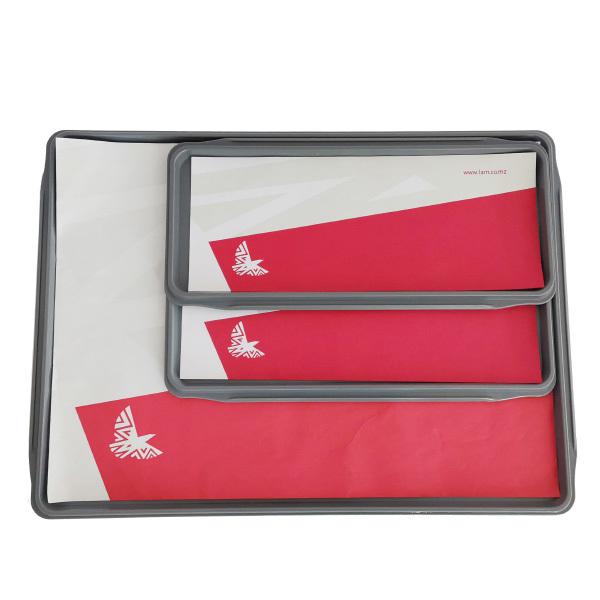
Atlas tray mats are essential components in various industries, serving as protective surfaces for trays, tools, and equipment. They offer stability and safety, allowing for efficient operations. The material used in these mats is crucial, as it directly affects durability, usability, and overall performance. This guide will explore different materials available for Atlas tray mats, helping you understand their unique characteristics and applications.
2. The Importance of Material Selection
Choosing the right material for tray mats is vital for several reasons:
- Durability: The longevity of the mats depends significantly on the materials used. Selecting high-quality materials minimizes wear and tear, reducing the need for frequent replacements.
- Safety: Certain materials can provide better grip and stability, reducing the likelihood of accidents in busy environments.
- Cost-effectiveness: Investing in quality materials can lead to savings in the long run, as they often require less maintenance and replacement.
- Functionality: Different materials offer varying levels of heat resistance, waterproofing, and flexibility, making them suitable for specific applications.
3. Common Materials Used in Atlas Tray Mats
When considering Atlas tray mats, several materials come into play. Each material offers unique benefits tailored to specific environments and uses. Below, we explore the most common materials used in the manufacturing of Atlas tray mats.
3.1 Plastic Materials
Plastic materials are among the most frequently used options for tray mats due to their versatility and cost-effectiveness. Common types include:
- Polyethylene (PE): Known for its durability and chemical resistance, PE is lightweight and easy to clean, making it ideal for food service applications.
- Polypropylene (PP): This material has excellent impact resistance and is resistant to various chemicals. It’s often used in environments where hygiene is paramount.
- Polyvinyl Chloride (PVC): PVC mats are known for their robustness and resistance to wear and tear. They are also resistant to moisture, making them suitable for damp environments.
3.2 Metal Materials
Metal tray mats, while less common, offer unique advantages in certain industries. The most frequently used metals include:
- Aluminum: Lightweight yet strong, aluminum mats are rust-resistant and suitable for high-temperature environments.
- Stainless Steel: Known for its durability and resistance to corrosion, stainless steel is often used in medical and food processing applications where hygiene is critical.
3.3 Composite Materials
Composite materials combine two or more different materials to achieve enhanced performance. They typically offer improved strength and durability:
- Fiberglass Reinforced Plastics (FRP): FRP mats are lightweight, strong, and resistant to environmental factors, making them suitable for outdoor applications.
- Rubber Composites: Often used for their traction and cushioning properties, rubber composites are ideal for applications requiring slip resistance.
3.4 Biodegradable Materials
With growing concerns over environmental impact, biodegradable materials are gaining popularity. These materials break down naturally, reducing the environmental footprint. Options include:
- PLA (Polylactic Acid): Derived from renewable resources like cornstarch, PLA mats are compostable and suitable for single-use applications.
- Bagasse: Made from sugarcane, bagasse mats are fully biodegradable and ideal for eco-conscious businesses.
4. Properties of Materials and Their Impact
Each material possesses specific properties that influence its performance. Here’s a closer look at how these properties impact the usability of Atlas tray mats:
- Temperature Resistance: Materials like stainless steel and silicone can withstand high temperatures, making them suitable for kitchens and medical facilities.
- Chemical Resistance: Plastics such as polyethylene and polypropylene resist most chemicals, ensuring longevity in harsh environments.
- Flexibility and Weight: Lightweight materials facilitate easy handling and transportation, while flexible options can accommodate different shapes and sizes.
- Maintenance Requirements: Some materials require minimal upkeep, while others need regular cleaning and care to maintain their integrity.
5. Choosing the Right Material for Your Needs
When selecting a material for Atlas tray mats, consider the following factors:
- Application: Identify where and how the mats will be used. Certain environments, such as kitchens or operating rooms, demand specific material properties.
- Budget: Determine your budget and weigh the cost against the benefits of different materials. Sometimes, investing slightly more upfront can save costs in maintenance and replacement.
- Environmental Impact: Consider the ecological footprint of your material choice. Opting for biodegradable options can align with corporate sustainability goals.
- End-User Needs: Understand the specific needs of the users who will interact with the mats, ensuring comfort and safety.
6. Cost vs. Value in Material Selection
Price is often a determining factor in material selection, but it’s critical to assess value rather than just cost. Here are key points to consider:
- Initial vs. Long-Term Costs: Some materials may have a higher initial cost but lower long-term costs due to durability and maintenance savings.
- Performance: Evaluate how well a material performs in its intended application. The right choice can lead to increased efficiency and reduced downtime.
- Brand Reputation: Investing in reputable brands can translate to better quality and customer support, adding to overall value.
7. Sustainability and Eco-friendliness of Materials
With the global push towards sustainability, selecting eco-friendly materials for Atlas tray mats has never been more critical. Consider the following:
- Recyclability: Materials like certain metals and plastics can be recycled after their lifespan, reducing waste.
- Renewable Resources: Using materials derived from renewable sources, such as bagasse and PLA, minimizes environmental impact.
- Life Cycle Assessment: Conducting a life cycle assessment helps gauge the environmental impacts associated with the entire lifecycle of the mats.
8. Future Trends in Material Technology
The landscape of material science is ever-evolving, with new technologies paving the way for innovative products. Some future trends include:
- Smart Materials: Integration of smart technology in materials can enhance functionalities, such as temperature regulation or self-cleaning properties.
- Advanced Composites: Development of stronger, lighter composites that offer better performance and sustainability.
- 3D Printing: Customizable mats produced through 3D printing technologies can meet specific needs while reducing waste.
9. Frequently Asked Questions
1. What are Atlas tray mats primarily used for?
Atlas tray mats are commonly used in various industries, including food service, healthcare, and manufacturing, to protect surfaces and provide stability for trays and tools.
2. How do I determine which material is best for my application?
Consider the application environment, specific needs, budget constraints, and desired properties such as durability and weight before choosing a material.
3. Are biodegradable materials as durable as traditional plastics?
While biodegradable materials can be durable, their lifespan may vary depending on the environmental conditions they are exposed to. They are often suited for single-use applications.
4. How should I maintain my Atlas tray mats?
Maintenance depends on the material. Generally, regular cleaning with mild detergents and avoiding harsh chemicals can help prolong the life of the mats.
5. Can I recycle my Atlas tray mats?
Recyclability depends on the material. Many plastics and metals can be recycled, but it's essential to check local recycling guidelines.
10. Conclusion
Understanding the material choices for Atlas tray mats is crucial for optimizing their performance and ensuring the safety and efficiency of operations. By examining the various materials available, their properties, and the implications of sustainability, we can make informed decisions that benefit our businesses and the environment. As material technology continues to advance, staying informed will empower us to adapt and thrive in an ever-changing landscape. Whether you are selecting mats for a kitchen, a medical facility, or an industrial setting, the right material choice can make all the difference.
Contact Infromation
Email: info@kairunair.com
Email: kairun11@kairun.com
Email: kairun9@kairun.com
Email: kairun15@kairunair.com
Tel: 0086-592-5885238
Tel: 0086-592-5887748
Tel: 0086-592-5885635
Wechat/Whats app: 0086 18965858595
Wechat/Whats app: 0086 18030153826
Wechat/Whats app: 0086 18965858597
Head Office: Unit 1009, No. 95 East Hubin Road, Siming District, Xiamen, China
Social Networks

Sign up for our monthly newsletter for the latest news & articles

Copyright © Xiamen Kairunair Commodity Co., Ltd. All Rights Reserved.