

Embracing Sustainability: A Comprehensive Guide to Airline Biodegradable Tableware Sets
Release Time:
May 19,2026
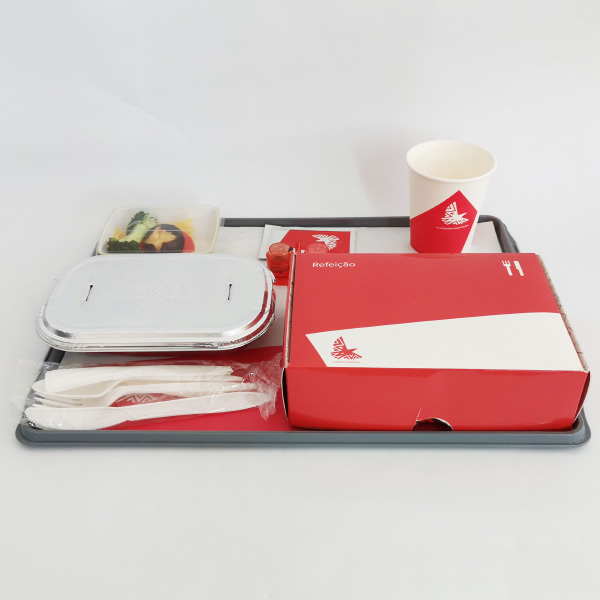
In recent years, the aviation industry has been increasingly focusing on sustainability, particularly in the realm of in-flight dining. One significant innovation is the use of airline biodegradable tableware sets, which offer a greener alternative to traditional disposable tableware. This shift not only meets the growing consumer demand for environmentally responsible practices but also aligns with global sustainability goals.
Airline biodegradable tableware sets are primarily made from organic materials such as cornstarch, sugarcane, or bamboo. These materials are designed to decompose naturally, reducing the environmental impact associated with plastic waste. When these products are disposed of in the proper conditions, they break down within a few months, minimizing landfill contributions and pollution. For airlines, this is a crucial step towards enhancing their corporate social responsibility (CSR) image.
The benefits of using airline biodegradable tableware sets extend beyond environmental considerations. For airlines, these products can enhance the passenger experience by offering a more sophisticated and sustainable dining option. When travelers see eco-friendly tableware being used, it can positively influence their perception of the airline, encouraging customer loyalty. Moreover, airlines can potentially reduce costs associated with waste disposal and management by implementing biodegradable solutions.
When selecting an airline biodegradable tableware set, it is essential to consider several factors. First, the quality of the material used should meet the requirements for in-flight service, ensuring durability and functionality. Additionally, the design should be practical for in-flight use, accommodating the unique challenges of serving food and beverages at altitude. Airlines should also pay attention to certifications that verify the biodegradability of the materials, ensuring compliance with environmental standards.
Furthermore, airlines may encourage passengers to participate in sustainability efforts by promoting the use of biodegradable tableware sets. Simple actions, such as providing information about the benefits of these products through in-flight magazines or announcements, can engage travelers and foster a collective commitment to reducing environmental impact.
In conclusion, the integration of airline biodegradable tableware sets presents an opportunity for the aviation industry to embrace sustainability while enhancing passenger experience. By choosing materials that decompose naturally and educating customers about their environmental benefits, airlines can lead the way in eco-friendly practices. As the industry continues to evolve, adopting such innovations will not only contribute to global sustainability efforts but also resonate with environmentally conscious travelers.
Airline biodegradable tableware sets are primarily made from organic materials such as cornstarch, sugarcane, or bamboo. These materials are designed to decompose naturally, reducing the environmental impact associated with plastic waste. When these products are disposed of in the proper conditions, they break down within a few months, minimizing landfill contributions and pollution. For airlines, this is a crucial step towards enhancing their corporate social responsibility (CSR) image.
The benefits of using airline biodegradable tableware sets extend beyond environmental considerations. For airlines, these products can enhance the passenger experience by offering a more sophisticated and sustainable dining option. When travelers see eco-friendly tableware being used, it can positively influence their perception of the airline, encouraging customer loyalty. Moreover, airlines can potentially reduce costs associated with waste disposal and management by implementing biodegradable solutions.
When selecting an airline biodegradable tableware set, it is essential to consider several factors. First, the quality of the material used should meet the requirements for in-flight service, ensuring durability and functionality. Additionally, the design should be practical for in-flight use, accommodating the unique challenges of serving food and beverages at altitude. Airlines should also pay attention to certifications that verify the biodegradability of the materials, ensuring compliance with environmental standards.
Furthermore, airlines may encourage passengers to participate in sustainability efforts by promoting the use of biodegradable tableware sets. Simple actions, such as providing information about the benefits of these products through in-flight magazines or announcements, can engage travelers and foster a collective commitment to reducing environmental impact.
In conclusion, the integration of airline biodegradable tableware sets presents an opportunity for the aviation industry to embrace sustainability while enhancing passenger experience. By choosing materials that decompose naturally and educating customers about their environmental benefits, airlines can lead the way in eco-friendly practices. As the industry continues to evolve, adopting such innovations will not only contribute to global sustainability efforts but also resonate with environmentally conscious travelers.
Contact Infromation
Email: info@kairunair.com
Email: kairun11@kairun.com
Email: kairun9@kairun.com
Email: kairun15@kairunair.com
Tel: 0086-592-5885238
Tel: 0086-592-5887748
Tel: 0086-592-5885635
Wechat/Whats app: 0086 18965858595
Wechat/Whats app: 0086 18030153826
Wechat/Whats app: 0086 18965858597
Head Office: Unit 1009, No. 95 East Hubin Road, Siming District, Xiamen, China
Social Networks

Sign up for our monthly newsletter for the latest news & articles

Copyright © Xiamen Kairunair Commodity Co., Ltd. All Rights Reserved.