

The Ultimate Guide to Choosing the Right Atlas Tray Mat: Enhance Your Crafting Experience
Release Time:
Dec 18,2024
The Ultimate Guide to Choosing the Right Atlas Tray Mat
Table of Contents
1. Introduction to Atlas Tray Mats
2. Importance of Choosing the Right Tray Mat
3. Types of Atlas Tray Mats Available
3.1. Material Considerations for Tray Mats
3.2. Size and Shape Options
3.3. Specialized Features to Look For
4. How to Select the Perfect Atlas Tray Mat for Your Needs
4.1. Assessing Your Crafting Style
4.2. Considering Durability and Maintenance
4.3. Budgeting for Your Tray Mat
5. Frequently Asked Questions
6. Conclusion
1. Introduction to Atlas Tray Mats
Atlas Tray Mats have become an essential tool for crafters, artists, and hobbyists alike. These mats serve as a protective and functional surface for various creative projects, from painting and drawing to crafting and model building. But with a myriad of options available on the market, how do you pinpoint the ideal mat for your unique needs? This guide will delve deep into the factors that contribute to selecting the right Atlas Tray Mat, ensuring you enhance your crafting experience.
2. Importance of Choosing the Right Tray Mat
Choosing the right Atlas Tray Mat is crucial for several reasons. First, it directly impacts the quality of your work. A well-chosen mat can provide the necessary support and protection for your materials, helping you achieve better results. Second, the right mat can make your crafting environment more enjoyable and efficient. It can reduce mess, protect your workspace, and even improve your overall comfort while working.
3. Types of Atlas Tray Mats Available
When it comes to Atlas Tray Mats, the variety available can be overwhelming. Understanding the different types and their specific benefits can help you make an informed decision.
3.1. Material Considerations for Tray Mats
Atlas Tray Mats are made from various materials, each offering unique advantages:
- **PVC Mats**: Known for their resilience and easy-to-clean surfaces, PVC mats are ideal for messy projects.
- **Silicone Mats**: These mats offer excellent non-stick properties, making them perfect for crafting with adhesives or paints.
- **Felt Mats**: Providing a softer surface, felt mats are favored for sewing and fabric-related projects.
Choosing the right material depends on the types of projects you undertake most frequently.
3.2. Size and Shape Options
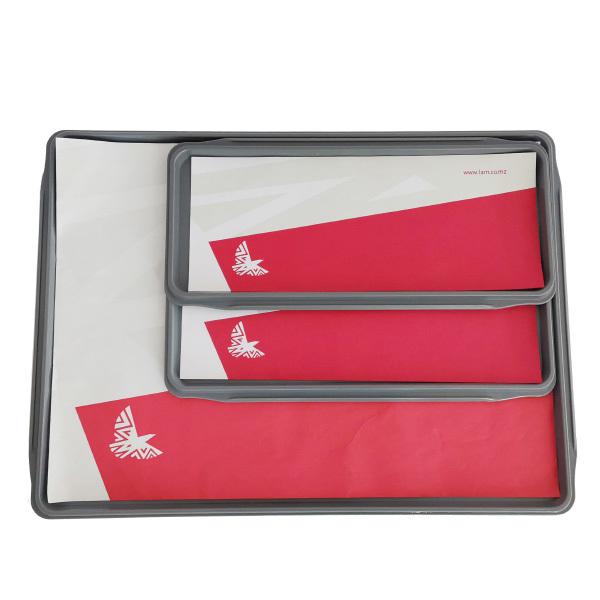
Atlas Tray Mats come in various sizes and shapes to cater to different crafting needs. Standard rectangular mats are widely available, but you can also find square and circular options. Consider the size of your workspace and the scale of your projects when selecting a mat.
3.3. Specialized Features to Look For
Certain Atlas Tray Mats come with specialized features that can enhance your crafting experience:
- **Grid Lines**: Mats with printed grid lines help in precise measurements and cutting.
- **Double-Sided Mats**: These offer versatility, with one side designed for cutting and the other for general crafting.
- **Heat Resistance**: If you work with hot tools or materials, heat-resistant mats can protect your surfaces from damage.
4. How to Select the Perfect Atlas Tray Mat for Your Needs
Selecting the right Atlas Tray Mat involves assessing various factors tailored to your crafting style and preferences.
4.1. Assessing Your Crafting Style
Reflect on the types of projects you typically engage in. If you often work with paints and glues, a non-absorbent, easy-to-clean mat may be best. For sewing, consider a mat that offers a soft, flexible surface.
4.2. Considering Durability and Maintenance
Durability is key in a crafting mat. Look for mats that can withstand repeated use and cleaning without wearing down. Maintenance also plays a role—choose a mat that fits your cleaning preferences, whether it requires simple wipes or more thorough cleaning.
4.3. Budgeting for Your Tray Mat
Atlas Tray Mats are available in a range of prices. Determine your budget before making a purchase. Consider that investing in a higher-quality mat can yield better long-term value, especially if you craft frequently.
5. Frequently Asked Questions
5.1. What is the best material for an Atlas Tray Mat?
The best material depends on your crafting needs. PVC mats are great for versatility, while silicone mats excel in non-stick performance.
5.2. How do I clean my Atlas Tray Mat?
Cleaning methods vary by material. PVC mats can typically be wiped with a damp cloth, while silicone mats may require a gentle scrub with soap and water.
5.3. Can I use my Atlas Tray Mat for cutting?
Many Atlas Tray Mats are designed for cutting, especially those with self-healing properties. Always refer to the manufacturer's recommendations.
5.4. How do I determine the right size for my workspace?
Measure your workspace and consider the size of your projects. A larger mat offers more flexibility, while a smaller mat may be more manageable in confined spaces.
5.5. Are there any mats specifically suited for kids?
Yes! Look for mats made from non-toxic materials with colorful designs to engage children. Lightweight options are also ideal for easy handling.
6. Conclusion
Selecting the right Atlas Tray Mat is crucial for enhancing your crafting experience. By understanding the various materials, sizes, and features available, you can make an informed choice that aligns with your specific needs. Whether you're a seasoned crafter or a beginner, the right mat can significantly elevate your creative projects, providing a durable, functional surface that supports your artistic endeavors. Invest the time in choosing wisely; the benefits will undoubtedly pay off in your crafting journey.
Contact Infromation
Email: info@kairunair.com
Email: kairun11@kairun.com
Email: kairun9@kairun.com
Email: kairun15@kairunair.com
Tel: 0086-592-5885238
Tel: 0086-592-5887748
Tel: 0086-592-5885635
Wechat/Whats app: 0086 18965858595
Wechat/Whats app: 0086 18030153826
Wechat/Whats app: 0086 18965858597
Head Office: Unit 1009, No. 95 East Hubin Road, Siming District, Xiamen, China
Social Networks

Sign up for our monthly newsletter for the latest news & articles

Copyright © Xiamen Kairunair Commodity Co., Ltd. All Rights Reserved.