

The Ultimate Guide to Airline Non-Slip Trays: Enhancing Safety and Efficiency
Release Time:
Dec 17,2024
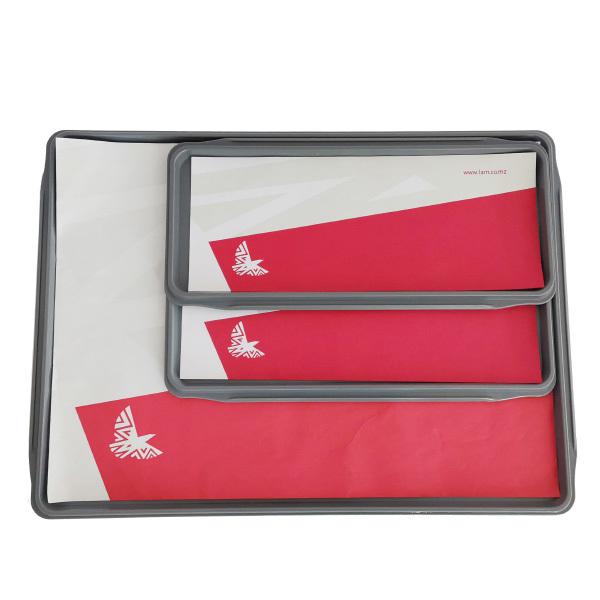
In the airline industry, safety and efficiency are paramount. One often overlooked yet crucial component in achieving these goals is the airline non-slip tray. Designed specifically for in-flight service, these trays play a vital role in maintaining order and preventing accidents during meal service. Understanding the characteristics and advantages of airline non-slip trays can help professionals in the disposable goods sector optimize their offerings and enhance customer experiences.
Airline non-slip trays are typically made from durable materials that provide not only strength but also a textured surface that prevents items from sliding off during turbulence or sudden movements. This feature is particularly important in an airborne environment where stability is compromised. By minimizing the risk of spillage, airlines can ensure that passengers enjoy their meals without the added stress of potential mess, contributing to a more pleasant flying experience.
Another significant benefit of non-slip trays is their ease of cleaning and maintenance. Many trays are designed to be disposable, offering a hygienic solution that aligns with the airline industry's commitment to health and safety. In a world where cleanliness is more critical than ever, disposable non-slip trays allow for quick turnover between flights, ensuring that each passenger receives a clean and safe dining experience. This is especially vital in maintaining high standards of hygiene, particularly post-pandemic.
Furthermore, the design of airline non-slip trays often incorporates compartments or designated areas for beverages and food items. This thoughtful layout not only optimizes space but also enhances the overall presentation of meals. By reducing the likelihood of spills and providing designated areas for items, these trays support flight attendants in delivering efficient and organized service, thus improving operational workflow during in-flight meal distributions.
When selecting airline non-slip trays, it is essential for decision-makers in the disposable goods industry to consider factors such as material, texture, and design. The right choice can significantly impact customer satisfaction and operational efficiency. In addition, ensuring that these trays are lightweight yet sturdy can help in reducing overall fuel costs, which is an important consideration for airlines looking to optimize their resources.
In conclusion, airline non-slip trays are an indispensable asset in the aviation sector, providing safety, efficiency, and hygiene for in-flight dining experiences. By understanding their features and benefits, professionals can make informed decisions that contribute to a better experience for passengers and flight crew alike. The future of in-flight service relies on innovative solutions like non-slip trays, making them a critical focus for anyone involved in the disposable goods market.
Airline non-slip trays are typically made from durable materials that provide not only strength but also a textured surface that prevents items from sliding off during turbulence or sudden movements. This feature is particularly important in an airborne environment where stability is compromised. By minimizing the risk of spillage, airlines can ensure that passengers enjoy their meals without the added stress of potential mess, contributing to a more pleasant flying experience.
Another significant benefit of non-slip trays is their ease of cleaning and maintenance. Many trays are designed to be disposable, offering a hygienic solution that aligns with the airline industry's commitment to health and safety. In a world where cleanliness is more critical than ever, disposable non-slip trays allow for quick turnover between flights, ensuring that each passenger receives a clean and safe dining experience. This is especially vital in maintaining high standards of hygiene, particularly post-pandemic.
Furthermore, the design of airline non-slip trays often incorporates compartments or designated areas for beverages and food items. This thoughtful layout not only optimizes space but also enhances the overall presentation of meals. By reducing the likelihood of spills and providing designated areas for items, these trays support flight attendants in delivering efficient and organized service, thus improving operational workflow during in-flight meal distributions.
When selecting airline non-slip trays, it is essential for decision-makers in the disposable goods industry to consider factors such as material, texture, and design. The right choice can significantly impact customer satisfaction and operational efficiency. In addition, ensuring that these trays are lightweight yet sturdy can help in reducing overall fuel costs, which is an important consideration for airlines looking to optimize their resources.
In conclusion, airline non-slip trays are an indispensable asset in the aviation sector, providing safety, efficiency, and hygiene for in-flight dining experiences. By understanding their features and benefits, professionals can make informed decisions that contribute to a better experience for passengers and flight crew alike. The future of in-flight service relies on innovative solutions like non-slip trays, making them a critical focus for anyone involved in the disposable goods market.
Contact Infromation
Email: info@kairunair.com
Email: kairun11@kairun.com
Email: kairun9@kairun.com
Email: kairun15@kairunair.com
Tel: 0086-592-5885238
Tel: 0086-592-5887748
Tel: 0086-592-5885635
Wechat/Whats app: 0086 18965858595
Wechat/Whats app: 0086 18030153826
Wechat/Whats app: 0086 18965858597
Head Office: Unit 1009, No. 95 East Hubin Road, Siming District, Xiamen, China
Social Networks

Sign up for our monthly newsletter for the latest news & articles

Copyright © Xiamen Kairunair Commodity Co., Ltd. All Rights Reserved.