

Enhancing In-Flight Dining Experience: The Role of Airline Food Tray Mats
Release Time:
Dec 09,2024
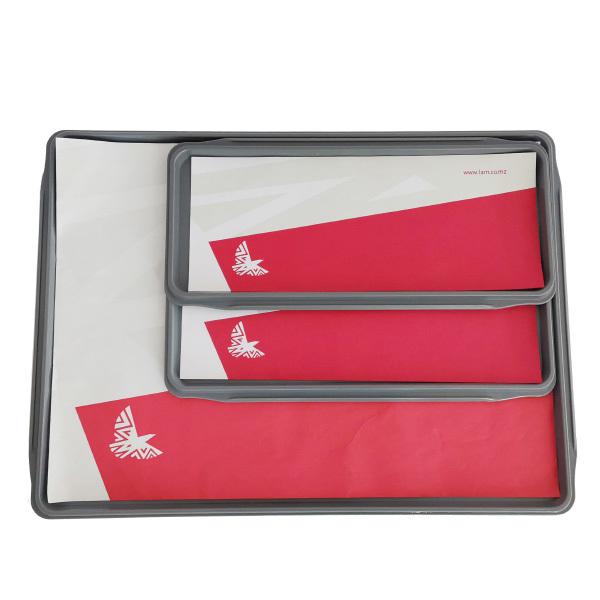
Airline food tray mats are an important yet often overlooked aspect of in-flight service. These disposable items serve multiple purposes, enhancing both the hygiene and aesthetic appeal of airline meals. Designed specifically for the aviation industry, airline food tray mats play a crucial role in the overall dining experience for passengers.
First and foremost, one of the primary functions of airline food tray mats is to provide cleanliness and hygiene. In a confined space where many people share the same environment, maintaining a sanitary dining area becomes paramount. These mats create a barrier between the food and the tray, absorbing any spills or crumbs that may occur during meal service. Made from materials that are easy to dispose of, they help prevent cross-contamination, ensuring that passengers enjoy their meals in a clean setting.
Additionally, airline food tray mats can enhance the visual presentation of in-flight meals. With various designs, colors, and textures available, these mats can complement the airline's branding and overall aesthetic. A well-designed mat not only elevates the appeal of the food but also adds a touch of sophistication to the dining experience. This attention to detail can significantly impact passengers' perceptions of the airline, making them feel valued and cared for.
From a technical perspective, airline food tray mats are crafted from lightweight, durable materials that can withstand the rigors of air travel. Common materials used include biodegradable paper, plastic, or compostable substances that align with eco-friendly initiatives. This sustainability aspect is increasingly important to consumers, as many passengers prefer to fly with airlines that prioritize environmentally responsible practices.
Furthermore, the size and shape of airline food tray mats are specifically designed to fit standard tray tables, ensuring that they stay in place during meal service. This design consideration minimizes the risk of spills and messes, allowing passengers to enjoy their meals without interruptions. The mats can also be easily folded or rolled up for compact storage, making them a practical choice for airlines.
In conclusion, airline food tray mats are vital components of the in-flight dining experience. They contribute to hygiene, enhance presentation, and support sustainability efforts within the airline industry. By investing in high-quality, innovative disposable food tray mats, airlines can create a more enjoyable and memorable dining experience for their passengers. As the aviation industry continues to evolve, the importance of such seemingly minor details will only grow, underscoring the need for airlines to prioritize every aspect of their service.
First and foremost, one of the primary functions of airline food tray mats is to provide cleanliness and hygiene. In a confined space where many people share the same environment, maintaining a sanitary dining area becomes paramount. These mats create a barrier between the food and the tray, absorbing any spills or crumbs that may occur during meal service. Made from materials that are easy to dispose of, they help prevent cross-contamination, ensuring that passengers enjoy their meals in a clean setting.
Additionally, airline food tray mats can enhance the visual presentation of in-flight meals. With various designs, colors, and textures available, these mats can complement the airline's branding and overall aesthetic. A well-designed mat not only elevates the appeal of the food but also adds a touch of sophistication to the dining experience. This attention to detail can significantly impact passengers' perceptions of the airline, making them feel valued and cared for.
From a technical perspective, airline food tray mats are crafted from lightweight, durable materials that can withstand the rigors of air travel. Common materials used include biodegradable paper, plastic, or compostable substances that align with eco-friendly initiatives. This sustainability aspect is increasingly important to consumers, as many passengers prefer to fly with airlines that prioritize environmentally responsible practices.
Furthermore, the size and shape of airline food tray mats are specifically designed to fit standard tray tables, ensuring that they stay in place during meal service. This design consideration minimizes the risk of spills and messes, allowing passengers to enjoy their meals without interruptions. The mats can also be easily folded or rolled up for compact storage, making them a practical choice for airlines.
In conclusion, airline food tray mats are vital components of the in-flight dining experience. They contribute to hygiene, enhance presentation, and support sustainability efforts within the airline industry. By investing in high-quality, innovative disposable food tray mats, airlines can create a more enjoyable and memorable dining experience for their passengers. As the aviation industry continues to evolve, the importance of such seemingly minor details will only grow, underscoring the need for airlines to prioritize every aspect of their service.
Contact Infromation
Email: info@kairunair.com
Email: kairun11@kairun.com
Email: kairun9@kairun.com
Email: kairun15@kairunair.com
Tel: 0086-592-5885238
Tel: 0086-592-5887748
Tel: 0086-592-5885635
Wechat/Whats app: 0086 18965858595
Wechat/Whats app: 0086 18030153826
Wechat/Whats app: 0086 18965858597
Head Office: Unit 1009, No. 95 East Hubin Road, Siming District, Xiamen, China
Social Networks

Sign up for our monthly newsletter for the latest news & articles

Copyright © Xiamen Kairunair Commodity Co., Ltd. All Rights Reserved.