

Eco-Friendly Options: Sustainable Atlas Tray Mats You Should Consider
Release Time:
Nov 28,2024
Eco-Friendly Options: Sustainable Atlas Tray Mats You Should Consider
Table of Contents
1. Understanding the Importance of Eco-Friendly Products
2. What Are Atlas Tray Mats?
3. Key Features of Sustainable Atlas Tray Mats
3.1 Material Composition
3.2 Design and Functionality
3.3 Durability and Longevity
4. Benefits of Choosing Eco-Friendly Atlas Tray Mats
4.1 Reducing Environmental Impact
4.2 Health Benefits for Your Family
4.3 Cost-Effectiveness Over Time
5. Popular Eco-Friendly Materials for Atlas Tray Mats
5.1 Bamboo
5.2 Recycled Plastics
5.3 Natural Fibers
6. How to Choose the Right Sustainable Atlas Tray Mat for Your Needs
6.1 Assessing Your Lifestyle
6.2 Considering Aesthetic Preferences
6.3 Evaluating Size and Fit
7. Care and Maintenance of Your Sustainable Atlas Tray Mats
8. Frequently Asked Questions (FAQs)
9. Conclusion
1. Understanding the Importance of Eco-Friendly Products
In recent years, the demand for eco-friendly products has surged as individuals and businesses alike recognize the importance of sustainability. By opting for eco-friendly options, we can significantly reduce our carbon footprint, support ethical manufacturing practices, and contribute to a healthier planet. In this context, Atlas tray mats emerge as a practical choice, offering both functionality and environmental benefits.
2. What Are Atlas Tray Mats?
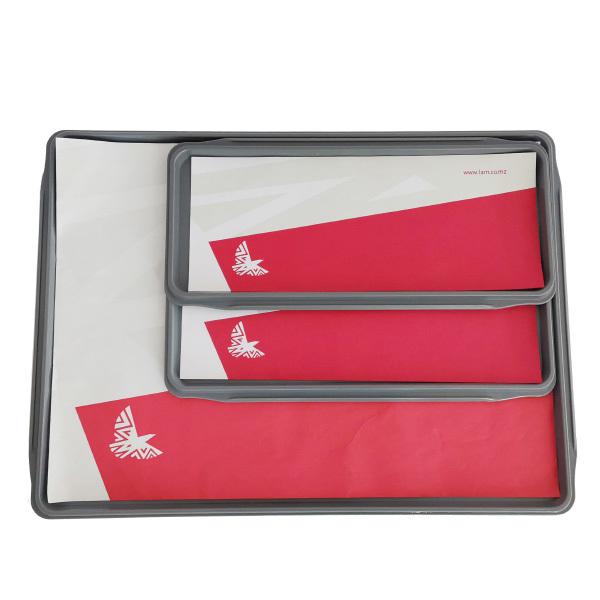
Atlas tray mats are specialized mats designed to be used with trays for various purposes, including serving food and drinks, organizing items, or enhancing decor. These mats not only protect surfaces from spills and stains but also add an aesthetic appeal to any dining or living space. Opting for sustainable versions of these mats means choosing products made from materials that are less harmful to the environment.
3. Key Features of Sustainable Atlas Tray Mats
When selecting an eco-friendly Atlas tray mat, it's important to consider several key features that differentiate them from traditional options.
3.1 Material Composition
Sustainable Atlas tray mats are typically made from renewable, biodegradable, or recycled materials. These include options such as bamboo, recycled plastics, and organic cotton, which ensure minimal environmental impact during both production and disposal.
3.2 Design and Functionality
While functionality is paramount, aesthetics should not be overlooked. Sustainable Atlas tray mats come in a variety of designs, colors, and patterns, allowing consumers to choose options that fit their personal style while remaining environmentally conscious.
3.3 Durability and Longevity
A significant advantage of sustainable materials is their durability. Eco-friendly Atlas tray mats are designed to withstand daily wear and tear, ensuring they last longer than their non-sustainable counterparts. This longevity reduces the need for frequent replacements and contributes to less waste.
4. Benefits of Choosing Eco-Friendly Atlas Tray Mats
Making the switch to sustainable Atlas tray mats provides numerous benefits worth considering.
4.1 Reducing Environmental Impact
By selecting eco-friendly materials, we reduce the demand for resources that are detrimental to the environment. This choice promotes responsible consumption and helps protect ecosystems.
4.2 Health Benefits for Your Family
Many traditional tray mats are manufactured using harmful chemicals that can leach into food or beverages. Sustainable options, free from toxic substances, ensure a healthier environment for your family.
4.3 Cost-Effectiveness Over Time
While the initial investment in sustainable Atlas tray mats may be higher, their durability means they typically last longer. Over time, this can lead to savings as you replace mats less frequently.
5. Popular Eco-Friendly Materials for Atlas Tray Mats
Several materials stand out in the realm of sustainable Atlas tray mats, each with unique benefits.
5.1 Bamboo
Bamboo is a fast-growing plant that requires minimal resources to cultivate. Its natural antibacterial properties make it an excellent choice for tray mats, ensuring hygiene while offering a stylish look.
5.2 Recycled Plastics
Using recycled plastics reduces waste and the need for new plastic production. These mats are sturdy and versatile, making them ideal for various applications.
5.3 Natural Fibers
Natural fibers such as cotton and jute are biodegradable and provide a soft, attractive surface for trays. They are often sourced sustainably, aligning with eco-friendly principles.
6. How to Choose the Right Sustainable Atlas Tray Mat for Your Needs
Selecting the perfect Atlas tray mat involves considering your lifestyle, aesthetic preferences, and practical requirements.
6.1 Assessing Your Lifestyle
Consider how you plan to use the mats. For daily use, prioritize durability and ease of cleaning. For special occasions, focus on aesthetic appeal.
6.2 Considering Aesthetic Preferences
Choose colors and designs that complement your existing decor. The right mat can enhance the overall ambiance of your space.
6.3 Evaluating Size and Fit
Ensure the mat fits well with your trays and the surfaces you'll place them on. Measure your trays and the intended use area to find the best fit.
7. Care and Maintenance of Your Sustainable Atlas Tray Mats
To maximize the longevity of your Atlas tray mats, proper care and maintenance are crucial. Always follow the manufacturer's guidelines for cleaning, using eco-friendly detergents when necessary. Regularly check for wear and tear to ensure they remain safe and effective.
8. Frequently Asked Questions (FAQs)
1. Are sustainable Atlas tray mats more expensive than traditional mats?
While the upfront cost may be higher, the durability and longevity of sustainable mats often lead to savings over time.
2. How do I clean my sustainable Atlas tray mats?
Most mats can be wiped down with a damp cloth, and some can be machine washed. Always refer to the care instructions provided by the manufacturer.
3. Can I find eco-friendly Atlas tray mats in different designs?
Yes, many brands offer a variety of designs, colors, and patterns to suit your personal style.
4. What materials should I avoid when looking for sustainable tray mats?
Avoid mats made from PVC, synthetic plastics, or other non-biodegradable materials that can harm the environment.
5. Where can I purchase eco-friendly Atlas tray mats?
Sustainable Atlas tray mats can be found at specialty eco-friendly stores, online retailers, and some major department stores.
9. Conclusion
In a world where sustainability is becoming increasingly crucial, opting for eco-friendly options like sustainable Atlas tray mats is a step in the right direction. By choosing materials that are gentle on the planet, we not only enhance our living spaces but also contribute to a healthier environment for future generations. The benefits of durability, health, and cost-effectiveness make these mats a smart choice for any household. As we continue to embrace eco-conscious living, sustainable Atlas tray mats will undoubtedly play a significant role in protecting our homes and our planet.
Contact Infromation
Email: info@kairunair.com
Email: kairun11@kairun.com
Email: kairun9@kairun.com
Email: kairun15@kairunair.com
Tel: 0086-592-5885238
Tel: 0086-592-5887748
Tel: 0086-592-5885635
Wechat/Whats app: 0086 18965858595
Wechat/Whats app: 0086 18030153826
Wechat/Whats app: 0086 18965858597
Head Office: Unit 1009, No. 95 East Hubin Road, Siming District, Xiamen, China
Social Networks

Sign up for our monthly newsletter for the latest news & articles

Copyright © Xiamen Kairunair Commodity Co., Ltd. All Rights Reserved.